In today’s world, photography is more than just clicking a button — it’s a form of storytelling, expression, and creativity. Whether you’re looking to buy your very first camera or upgrade to a better one, the process can feel overwhelming. With hundreds of models and endless features, how do you know which one to pick?
To help you make the best choice, here are 10 important things to consider before buying a camera.
1. Define Your Purpose
Before diving into technical details, ask yourself a simple question: Why do I need a camera?
Are you capturing family moments, starting a vlog, shooting wildlife, or planning to go professional? Your purpose will guide your decision. For example, casual users might prefer compact cameras, while aspiring photographers may opt for DSLRs or mirrorless cameras.
2. Understand the Different Camera Types
There are several types of cameras available, and each serves a different need:
- Point-and-shoot: Lightweight, user-friendly, and ideal for everyday photography.
- DSLR (Digital Single-Lens Reflex): Great for manual control, high image quality, and interchangeable lenses.
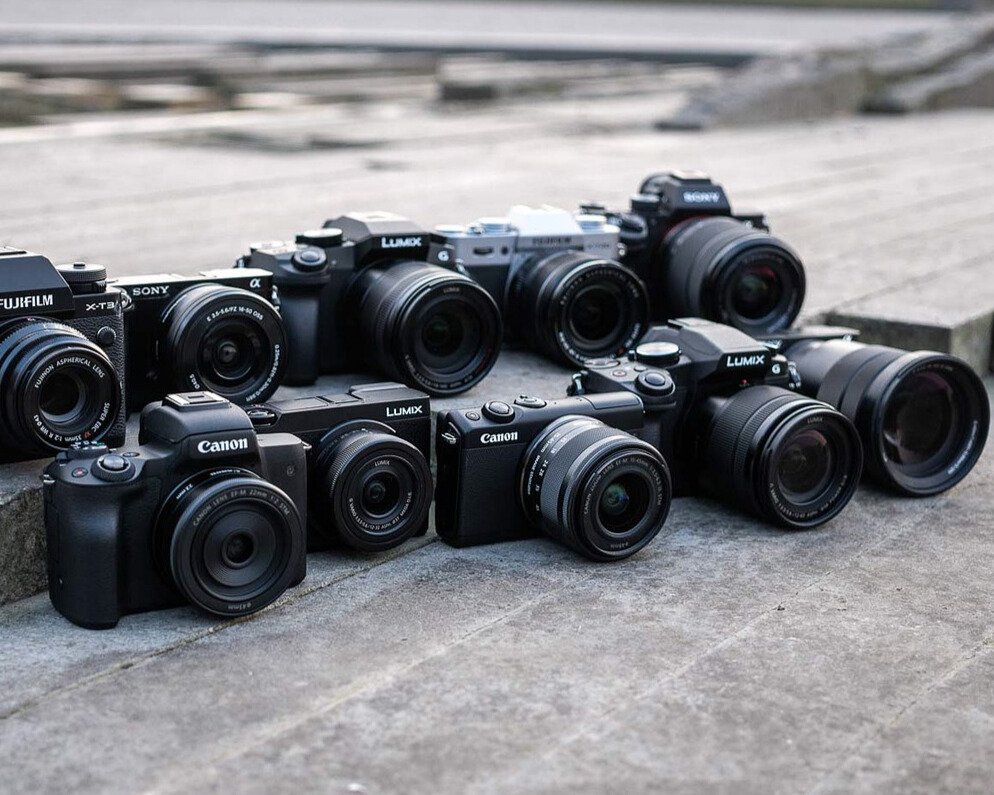
- Mirrorless: Offers DSLR-like quality with a smaller, lighter body. Perfect for travel and content creators.
- Bridge cameras: Combine zoom power with simplicity.
- Action cameras: Compact and rugged, ideal for adventures and sports.
Choose the one that aligns with your goals and lifestyle.
3. Don’t Be Fooled by Megapixels
Many people assume that more megapixels mean better images. While resolution matters, it’s not the only factor. Sensor size, lens quality, and image processing play a much bigger role in image sharpness, color, and low-light performance. A camera with fewer megapixels but a larger sensor often delivers better photos.
4. Know Your Sensor Sizes
The sensor is the heart of a camera. Larger sensors allow for better light capture, which means improved performance in low-light conditions and more depth in your images.
The most common sensor sizes include:
- Full Frame: High-end, excellent for professional work.
- APS-C: Widely used, balances quality and cost.
- Micro Four Thirds: Compact, ideal for travel and vlogging.
- 1-inch or smaller: Often found in compact and point-and-shoot models.
Consider your budget and goals when choosing a sensor size.
5. Interchangeable vs. Fixed Lenses
Do you want flexibility in your photography? If yes, go for a camera with interchangeable lenses — like DSLRs or mirrorless models. These allow you to explore different styles such as portraits, landscapes, or macro shots.
If you prefer something simpler and more portable, a fixed-lens camera can still deliver excellent results for everyday use.
6. Camera Feel and Interface
A camera might look great on paper but feel awkward in your hands. Before buying, check:
- The grip and size — is it comfortable to hold?
- The menu system — is it intuitive and easy to navigate?
- The controls — can you quickly access key functions?
Visit a store and try holding different models. A camera that feels right will encourage you to use it more.
7. Check the Video Capabilities
If video creation is part of your plan, look for these features:
- Video resolution: 1080p is standard, but 4K is becoming more popular.
- Frame rate options: Useful for slow motion or cinematic effects.
- Audio input: External mic input improves sound quality.
- Autofocus performance: Essential for keeping moving subjects in focus.
Mirrorless cameras are often a favorite for vloggers and filmmakers due to their compact size and excellent video quality.
8. Battery Life
A great camera is of no use if it runs out of juice in the middle of a shoot. DSLRs generally have longer battery life compared to mirrorless cameras.
If you plan long outdoor shoots or travel frequently, check battery ratings and consider buying an extra battery.
9. Think Beyond the Camera Body
Don’t spend your entire budget on the camera body alone. Consider the cost of:
- Lenses
- Memory cards
- Tripods
- Camera bags
- Spare batteries
Also, think long-term. Will you want to expand your gear later? Choose a system (Canon, Nikon, Sony, etc.) that supports a range of accessories and lenses.
10. New vs. Second-Hand
New cameras come with warranties and the latest features, but second-hand gear can offer excellent value — especially for beginners. If you’re open to buying used, look for:
- Shutter count (like mileage for cameras)
- Physical condition
- Seller reputation and return policy
- Whether accessories and manuals are included
Used doesn’t mean outdated — many older models still produce outstanding images.
Final Thoughts
Choosing the right camera is about more than specs — it’s about finding a tool that fits your style, comfort, and creative goals. With so many options available, take your time, do your research, and make a choice that you’ll grow with.
Remember: The best camera isn’t the most expensive one. It’s the one that inspires you to go out and take photos.