If you’re serious about photography or even just starting out, a tripod is one of the most useful tools you can own. It helps keep your camera steady, improves the quality of your shots, and lets you take better photos in low light or when using slow shutter speeds. But how do you choose the right one? With so many options out there, it can feel confusing. This blog will help you understand what to look for in a tripod, in a simple and practical way.
Why Do You Need a Tripod?
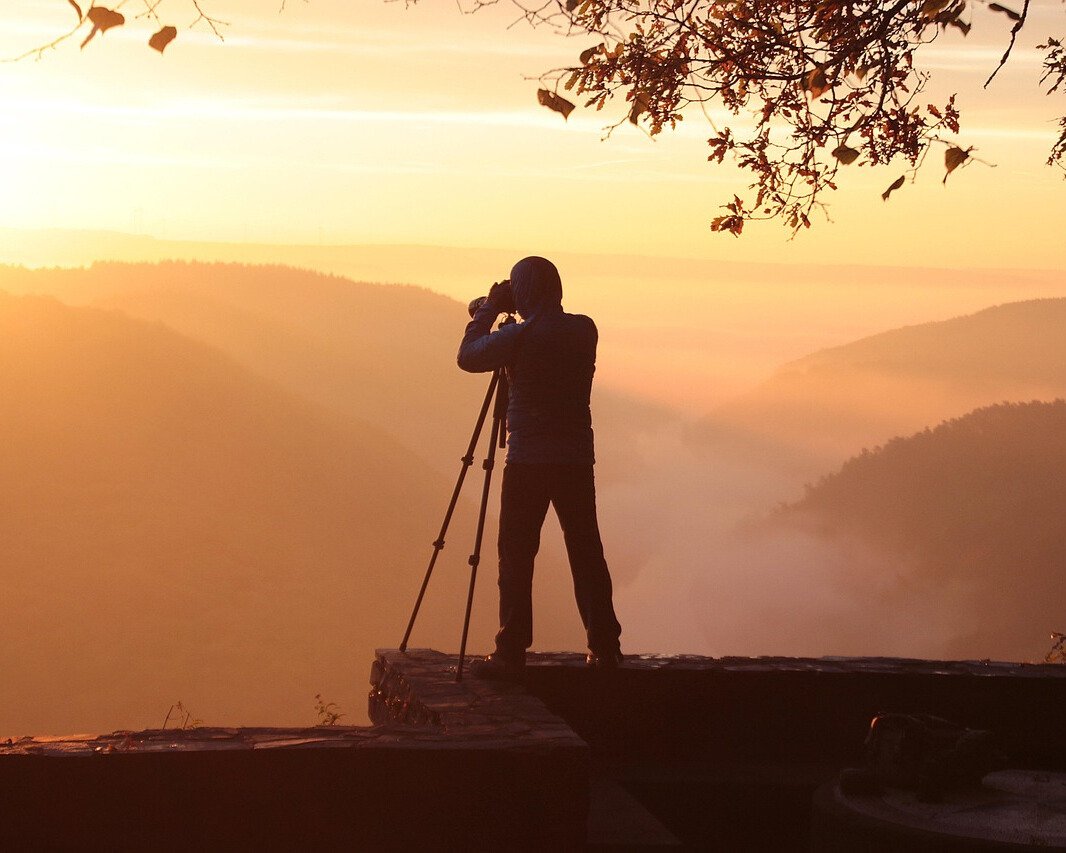
Before buying a tripod, think about how you plan to use it. Are you into landscape photography, nighttime shots, long exposure, or recording stable videos? If yes, a tripod is a must. Even if you’re just trying to take clearer photos or self-portraits, it can be a great help.
Check the Weight It Can Hold
Your tripod must be strong enough to hold your camera, lens, and any other gear you attach. If your camera setup weighs 1.5 kg, look for a tripod that can support at least 2 to 3 kg. This ensures your camera won’t shake or fall off.
Think About the Tripod’s Own Weight
A heavy tripod can be tough to carry around, especially for travel or outdoor shoots. If you move around a lot, go for a lighter tripod made of carbon fiber or aluminum. Carbon fiber is lighter but more expensive, while aluminum is affordable and sturdy. If you mostly shoot indoors or in one place, a heavier tripod will give you more stability.
Height Matters
Choose a tripod that matches your eye level when fully extended. This helps you take photos comfortably. Also, check how low it can go—useful if you want to do low-angle or macro photography. Avoid using the center column too much to gain height; it can make your tripod less stable.
Material and Locking System
Tripods are usually made of aluminum or carbon fiber. Aluminum is strong and cheaper, while carbon fiber is lighter and absorbs vibration better. Also, look at the leg locking system. Some tripods use twist locks; others use flip locks. Both are good—it just depends on what feels easier and quicker for you to use.
Don’t Forget the Tripod Head
The tripod head is the part that holds your camera. Some tripods come with a head, and some don’t. There are different types of heads. A ball head lets you move the camera easily and is good for most photography. A pan-tilt head is better for videos. Gimbal heads are used for heavy lenses, like in wildlife or sports photography. If your tripod doesn’t come with a head, you’ll need to buy one that fits your needs.
Stability Is Key
A stable tripod means sharper images. Look for features like rubber feet or spikes for outdoor use. Some tripods have a hook at the bottom of the center column—you can hang your bag or weight from it to make the tripod steadier, especially on windy days.
Is It Easy to Carry?
If you travel or go on photo walks, check how small the tripod is when folded. Some fold down very compact and can fit in a backpack. Also, consider how quickly you can set it up and pack it away—this matters when you’re on the move.
Don’t Just Go for the Cheapest
There are tripods in all price ranges. Cheap tripods can work for smartphones or light cameras, but they might not last long. A good-quality tripod might cost more but will stay with you for years and perform much better.
Extra Features Are a Bonus
Some tripods come with added features like quick-release plates (to mount your camera faster), built-in bubble levels (to help you keep your shot straight), or the option to turn it into a monopod. These are not must-haves, but they can make using the tripod easier and more fun.
Bringing It All Together
Choosing the right tripod doesn’t have to be difficult. Think about your photography style, how much weight it needs to support, where you’ll use it, and how much you’re willing to spend. A good tripod can make a huge difference in your photography, helping you take clearer, sharper, and more creative shots. Take your time, and pick one that suits your needs—your future self will thank you.